 Call Us : 08045475510




 Send Inquiry
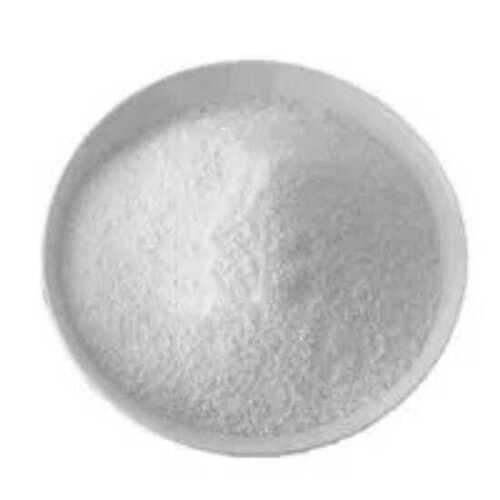
VITAMIN C COATED FEED GRADE
Price 1800 INR/ Kilograms
MOQ : 25 Kilograms
VITAMIN C COATED FEED GRADE Specification
- Assay
- 97.0%
- Heavy Metal (%)
- 0.001%
- Loss on Drying
- 1.0%
- Boiling point
- N/A (decomposes before boiling)
- Moisture (%)
- 1.0%
- Melting Point
- 191C 192C (decomposition)
- Molecular Formula
- C6H8O6
- EINECS No
- 200-066-2
- HS Code
- 29362700
- Particle Size
- 30-80 mesh, customized
- Molecular Weight
- 176.12 g/mol
- Storage
- Store in a cool, dry, ventilated area, protected from light and moisture.
- Residue on Ignition
- 0.1%
- Ph Level
- 2.2 2.5 (5% solution)
- Place of Origin
- China
- Other Names
- Ascorbic Acid Coated, L-Ascorbic Acid Coated
- CAS No
- 50-81-7
- Type
- Feed Grade
- Grade
- Feed Grade
- Usage
- Animal Feed Additive; Vitamin Supplement
- Purity
- 97%
- Appearance
- White Granular or Powder
- Application
- Vitamin C supplementation for livestock, poultry, and aquaculture feed
- Raw Material
- Pure Ascorbic Acid, Specialized Coating Materials
- Smell
- Odorless
- Color
- White or Off-White
- Form
- Coated Granule or Powder
- Shelf Life
- 24 months in original, unopened packaging
- Stability
- High, with improved resistance to heat and moisture
- Intended Animals
- All classes of livestock, poultry, and aquatic species
- Packaging
- 25 kg fiber drum or as required
- Coating Material
- Hydrogenated Vegetable Oil or equivalent (for enhanced stability)
- Solubility
- Slow release in water due to coating
About VITAMIN C COATED FEED GRADE
Vitamin C coated feed grade, also referred to as ascorbic acid, is a specialized form of this essential nutrient designed for incorporation into animal feed formulations. It typically appears as granules or powder, with a characteristic white to off-white color. The coating on the granules or powder serves several purposes: it enhances stability, protects the active ingredient from degradation, and facilitates uniform distribution within feed mixtures.Advanced Stability Through Specialized Coating
Encapsulated with hydrogenated vegetable oil or an equivalent, this Vitamin C feed grade additive offers superior protection against degradation by heat, moisture, and light. The specialized coating ensures the ascorbic acid remains potent, making it especially suitable for pelleted and extruded feeds where conventional vitamin C may degrade rapidly. This preserves the nutrient's efficacy during both processing and storage.
Comprehensive Nutrition for All Species
Formulated for inclusion in rations for cattle, poultry, swine, aquatic species, and more, this coated Vitamin C supplement targets diverse animal industry needs. The slow-release action and the high assay (97%) support immune health, growth, and stress resistance across all livestock and aquaculture systems. Its versatility reinforces optimal nutrition for animals at all production stages.
Strict Quality and Packaging Standards
Manufactured in China and offered through reliable suppliers in India, this product is available in 25 kg fiber drums or customized packaging. The careful selection of coating materials, moisture control (1.0%), and rigorous purity benchmarks ensure it meets the demanding requirements of commercial feed manufacturers and traders alike. Proper storage extends shelf-life to 24 months.
FAQ's of VITAMIN C COATED FEED GRADE:
Q: How is VITAMIN C COATED FEED GRADE administered to animals?
A: This product is designed to be mixed directly into complete animal feeds. Its coated, slow-release formulation allows for stable integration in feeds for livestock, poultry, and aquaculture. Simply incorporate the granules or powder into your standard ration according to veterinary or nutritional guidelines.Q: What benefits does the hydrogenated vegetable oil coating provide?
A: The specialized coating significantly enhances the product's resistance to heat, moisture, and light. This ensures better preservation of Vitamin C during feed processing (like pelleting or extrusion) and storage, resulting in improved nutrient availability and feed stability compared to uncoated forms.Q: When should I use this supplement in animal feeds?
A: VITAMIN C COATED FEED GRADE is ideal for use year-round as a vitamin supplement, especially during periods of stress, illness, or intensive production. Its stability makes it suitable for regular addition to all classes of livestock and aquaculture feeds, ensuring constant nutritional support.Q: Where should I store the product to maintain its quality?
A: Store the product in a cool, dry, and well-ventilated area, protected from sunlight and moisture. Ensuring the original packaging remains unopened until use is crucial for preserving its quality throughout its 24-month shelf life.Q: What is the typical process for manufacturing this product?
A: The ascorbic acid (Vitamin C) is purified and then coated with hydrogenated vegetable oil or an equivalent material. This encapsulation improves stability and controls its release in water. The product is then standardized for particle size and undergoes strict quality checks before packaging.Q: What is the usage dose for different animals?
A: The specific inclusion rate depends on the species, age, and production stage. It is advised to follow recommendations from animal nutritionists or veterinarians to ensure optimal dosages for livestock, poultry, or aquatic species, aligning with their respective feed formulations.Q: What are the key advantages of using this coated feed grade vitamin C over regular ascorbic acid?
A: Compared to uncoated ascorbic acid, this product offers markedly higher stability in feed, slower release in water, and reduced nutrient loss during high-heat processing. This leads to more consistent vitamin C delivery, contributing to enhanced animal health and productivity.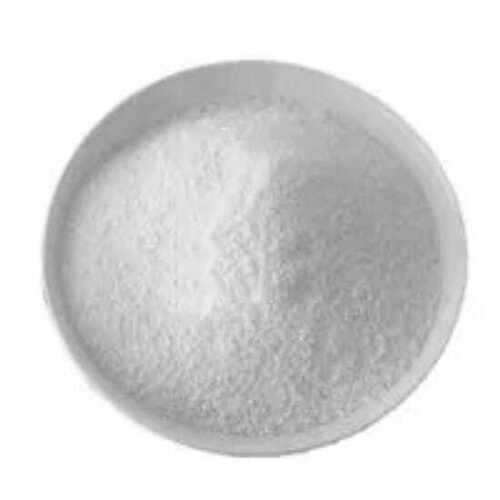
Tell us about your requirement

Price:
Quantity
Select Unit
- 50
- 100
- 200
- 250
- 500
- 1000+
Additional detail
Mobile number
Email

More Products in API Category
DILOXANIDE FUROATE IP/BP/EP/USP
Price 1800 INR / Kilograms
Minimum Order Quantity : 25 Kilograms
Form : Powder
Type : Other, Active Pharmaceutical Ingredient (API)
Application : Other, Treatment of Amoebiasis (intestinal and hepatic)
Raw Material : Yes
HYDROXYUREA IP/USP
Price 619.0 INR / Kilograms
Minimum Order Quantity : 25 Kilograms
Form : Solid
Type : Other, Pharmaceutical Raw Material
Application : Other, Used in the manufacture of formulations for sickle cell disease, certain cancers, and as a laboratory reagent
Raw Material : API for Hydroxyurea formulations
PANTOPRAZOLE SOD. IP
Price 1800 INR / Kilograms
Minimum Order Quantity : 25 Kilograms
Form : Powder
Type : Other, Pharmaceutical Raw Material
Application : Other, Used for treatment and prevention of gastric ulcers, GERD, ZollingerEllison syndrome
Raw Material : API for formulation of Pantoprazole tablets and injectables
TELMISARTAN IP/BP/EP/USP
Price 1800 INR / Kilograms
Minimum Order Quantity : 25 Kilograms
Form : Powder
Type : Other, Pharmaceutical Raw Material
Application : Other, Antihypertensive Agent
Raw Material : For pharmaceutical formulation

Address
IPSUM LIFESCIENCES LLP
Journey of Evolution to Revolution
Journey of Evolution to Revolution
- B No. 217, Champaklal Industrial Estate, 2nd Floor, Sion East,Mumbai - 400022, Maharashtra, India
- Phone :08045475510
- Send Inquiry
 Send Inquiry
 Send Inquiry
 Send SMS
 |
IPSUM LIFESCIENCES LLP
All Rights Reserved.(Terms of Use) Developed and Managed by Infocom Network Private Limited. |
